Saturday Serendipity: The Case for Buying Prints in Person

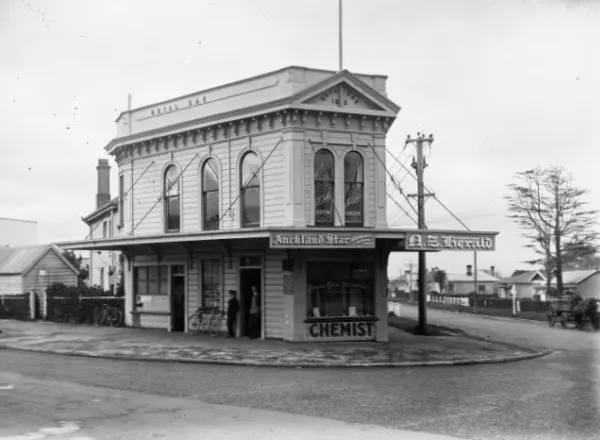
Photo: Trinity Court Studio, a photography studio in Pittsburgh, Pennsylvania, Public domain, via Wikimedia Commons
Saturday morning, 10am. A church hall in south London smells of coffee and fresh ink. Tables are laden with flat files, poster tubes and A3 prints weighted down by pebbles. This is the UK print fair in 2026 — and it’s the closest thing to crate-digging for your walls.
The Joy of the Unexpected Table
Online drops are efficient, but they’re also predictable. You know what you’re getting, and so does everyone else. A fair is different. You turn a corner and find a risograph of a cult film you’d forgotten you loved. You spot a gig poster for a band you saw in a basement in 2019. That serendipity is the point. It’s the same reason record shops survived the streaming era: the pleasure of flipping through, chatting to the person behind the counter, and taking a punt on something that wasn’t in your algorithm.
Print fairs also let you see the paper. You can feel the weight of a 300gsm stock, check whether the ink sits on top or sinks in, and hold the print at arm’s length to judge how it’ll look above your sofa. That’s something a product photo will never tell you.
Pack Like You Mean It
A little preparation goes a long way. Bring cash — many artists prefer it, and some don’t have card readers. Bring a tote bag or two, ideally wide enough for an A2. Bring a tape measure and note the dimensions of the wall you’re buying for. There’s nothing worse than falling for a print and realising it won’t fit between the door frame and the light switch.
Wear comfortable shoes. Fairs are often held in community halls with hard floors, and you’ll do more laps than you expect. A bottle of water and a snack are sensible too; the cake stall is charming but the queue can be long.
Talk to the Artist (They Don’t Bite)
It’s easy to freeze when the person who made the print is standing right there. But most artists are happy to talk. Ask what paper they used. Ask how many are in the edition. Ask where the image came from — was it a gig they went to, a film still they redrew, a lyric that wouldn’t leave their head? These questions open up a conversation and often lead to a better purchase. You’ll learn whether the print is a one-off, part of a run of 50, or a digital reproduction. That matters for how you feel about it later.
If you’re nervous, start with a compliment. “I love the colours on this one” is enough. Artists at fairs are used to browsing; they won’t pressure you to buy.
Read the Edition, Not Just the Image
A well-made print will usually have a few telltale signs. Look for a pencil signature and edition number in the bottom margin. Check the corners for dinks or creases. Ask whether the ink is archival or if it’s a giclée print on cotton rag. If it’s a screenprint, run your finger lightly over the surface — you should feel a slight texture where the ink sits. None of this guarantees you’ll love it, but it helps you spot a piece that will last.
Also ask how the artist recommends framing. Some prints are best behind glass with a mount; others look fine in a simple clip frame. A quick chat can save you a headache later.
The Social Side of Paper
One of the best things about a print fair is the crowd. You’ll overhear conversations about framing, swapping tips on where to find cheap A2 frames, and discover a new favourite artist because someone else was raving about their table. It’s a low-stakes way to meet people who care about the same things you do — music, film, design, and the walls they end up on.
Fairs also give you a chance to support smaller studios directly. You’re not just buying a print; you’re putting money into the hands of someone who made it. That feels different from adding to basket on a big retailer’s site.
Getting It Home in One Piece
Most artists will wrap your print in tissue and a sturdy tube or board. If you’re buying several, ask for them to be packed together or bring your own portfolio. On the train home, keep the tube upright and away from the window. Once home, unroll it face-down on a clean surface for a day or two before framing. If you’re not framing immediately, store it flat in a drawer or under the bed — not in a hot loft.
And if you spot something you love but hesitate, take a card. Most artists have Instagram or a shop. But be warned: the best pieces often go before the day is out. That’s the trade-off of the fair. You get the thrill of the find, and sometimes you get the regret of the miss. It’s all part of the game.
Make a Day of It
A print fair isn’t just a shopping trip; it’s a Saturday well spent. You’ll come home with a tube under your arm, a new artist to follow, and a story about the one you nearly bought. In 2026, with so much of our lives happening on screens, that feels like a small act of resistance. So check the listings, set an alarm, and go. Your walls will thank you.