The Room Remembered: Why Venue Prints Are 2026’s Most Personal Gig Art
Photo: Dietmar Rabich, CC BY-SA 4.0, via Wikimedia Commons
There is a specific kind of memory that only a room can hold. Not the setlist, not the T-shirt you never wear, but the pillar you stood behind, the sticky patch of floor, the bar queue that swallowed the support act. In 2026, a growing number of UK print designers are choosing to draw the room itself — and the results are quietly becoming the most interesting music wall art you can buy.
Why the Room Beats the Logo
A band logo is shorthand. It says: I was there, or I like this, or I once owned a hoodie with this on it. A venue print says something more specific. It says: I know what it felt like to be in that particular building on that particular night. The low ceiling. The weird balcony. The fire exit sign glowing above the crowd during the quiet song.
That specificity is why venue prints feel less like merchandise and more like art. They work in rooms that have moved past the teenage-bedroom stage — a living room, a hallway, a studio wall — because they are architectural first and musical second. You do not need to recognise the band to appreciate the shape of the roof. You just need to recognise the feeling of being in a good room with a bad PA and a great night.
The New Wave of Venue Art
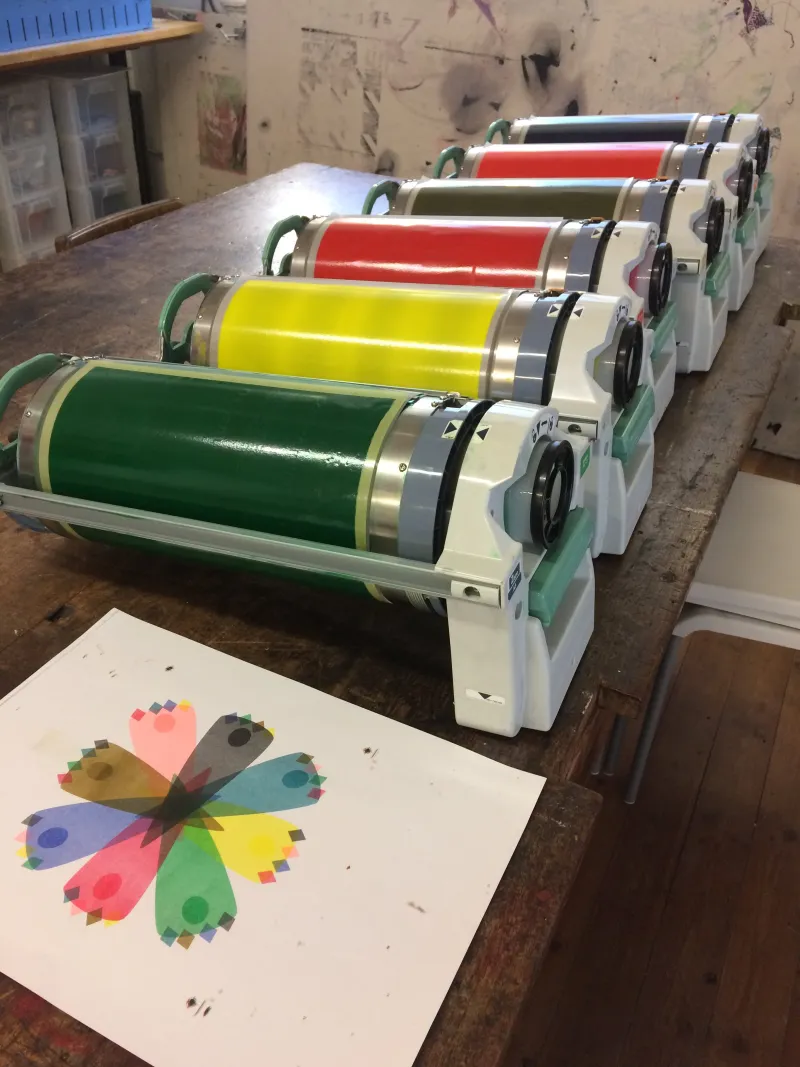
The designers making this work are not the usual gig-poster names. They tend to be illustrators, printmakers and small risograph studios who treat venues the way others treat cathedrals or tower blocks. You will find them at print fairs such as Manchester Print Fair, Glasgow Print Fair and The London Illustration Fair, often with a stack of A3 editions and a slightly obsessive knowledge of fire regulations in small venues.
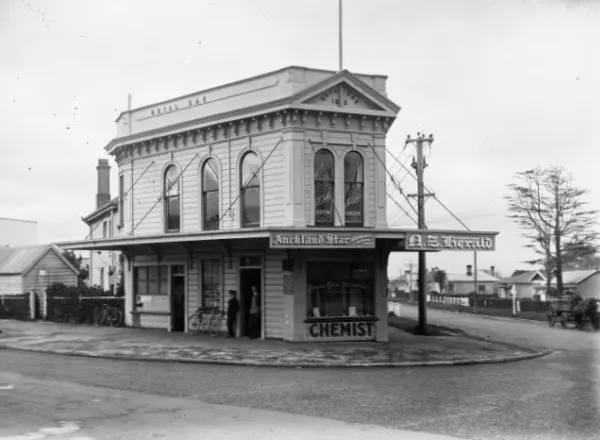
The aesthetic varies. Some use clean elevation drawings — the venue as a flat facade, stripped of context, almost like a record sleeve. Others go for isometric cutaways, showing the stage, the bar and the bogs in one impossible view. A few work in bold colour blocks: the Brudenell’s red brick, the Windmill’s white frontage, the art deco curve of a regional arts centre. The best ones are not nostalgic. They are affectionate but precise, the way a good portrait is.
What unites them is scale. These are rooms, not stadiums. The current wave favours the small and mid-sized: King Tut’s in Glasgow, Clwb Ifor Bach in Cardiff, The Crescent in York, Future Yard in Birkenhead, the upstairs room of a pub that holds ninety people and one very committed sound engineer. There is also a welcome rise in prints of local arts centres — the Atkinson in Southport, mac in Birmingham, the sort of places where you might see a film score performed live or a comedy night that goes on too long. These buildings matter to people in a way that arenas rarely do.
Choosing a Room That Actually Means Something
The temptation, when you first notice this trend, is to buy the famous venue. The one everyone knows. The one that appears in every list of legendary UK gig rooms. Resist it. A venue print works best when it is personal, not canonical.
Start with a question: which room do you find yourself describing to other people? Not the best gig you have ever seen — the most specific one. The first show you went to without a parent. The tiny upstairs room where you saw a band before they got big. The arts centre where you watched a film with a live orchestra and cried a bit. That is the room to put on your wall.
There is a practical test too. Does the building look good as a picture? Some venues are iconic but visually dull — a flat box with a sign. Others are ordinary but have a shape that sings: a curved balcony, a tiled entrance, a weird 1970s extension. A good venue print designer will find the angle. If the print looks like a photo with a filter, walk away.
Also check where the money goes. Some venues sell their own prints, or license them to local designers, which means your purchase helps keep the room open. Others are unofficial. Neither is automatically wrong, but in 2026 it is worth asking. A venue print should feel like a small act of support, not just a decorative purchase.
Hanging It Without Building a Shrine
The risk with any music art is that it tips into nostalgia. One venue print is a statement. Nine venue prints, a setlist in a frame and a guitar pick on a shelf is a museum of gigs you can no longer quite remember. Keep it restrained.
Use one venue print as an anchor for a wall, then pair it with something that has nothing to do with music: a mirror, a lamp, a piece of abstract art, a photograph of a landscape. The contrast stops the print from becoming a relic. It becomes part of a room, which is the whole point.
Frame it simply. A thin black or natural oak frame works with almost any venue print; avoid anything that looks like it was designed for a vintage tour poster. Hang it at eye level, not above a radiator, and give it a little breathing space. If the print is a dark screenprint, a small picture light will make a surprising difference in a dim living room.
If you are renting, treat it like any other art: Command strips, a picture ledge, or leaning it on a shelf. No nails, no drama. And if you have more than one, group them by city or by colour rather than by era. A wall of rooms from the same city feels like a collection. A wall of rooms from your entire gig-going history feels like a confession.
The band was the reason you went. But the room is what you remember. Buy the room.