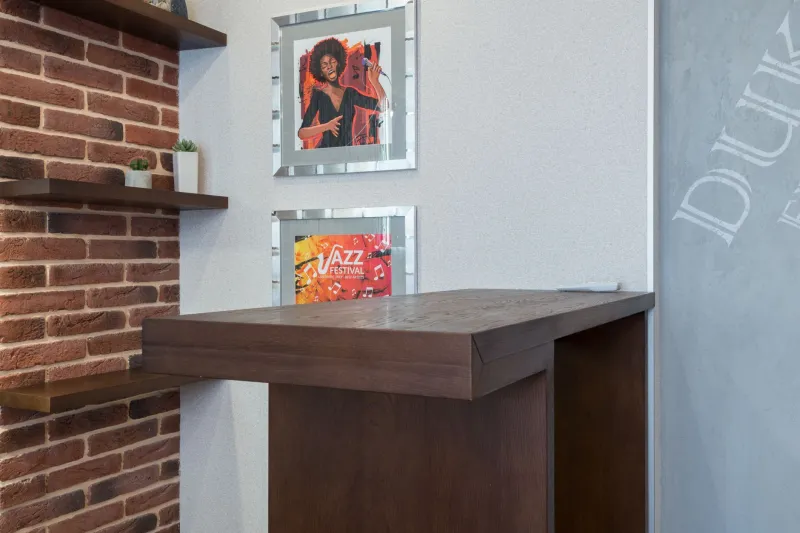
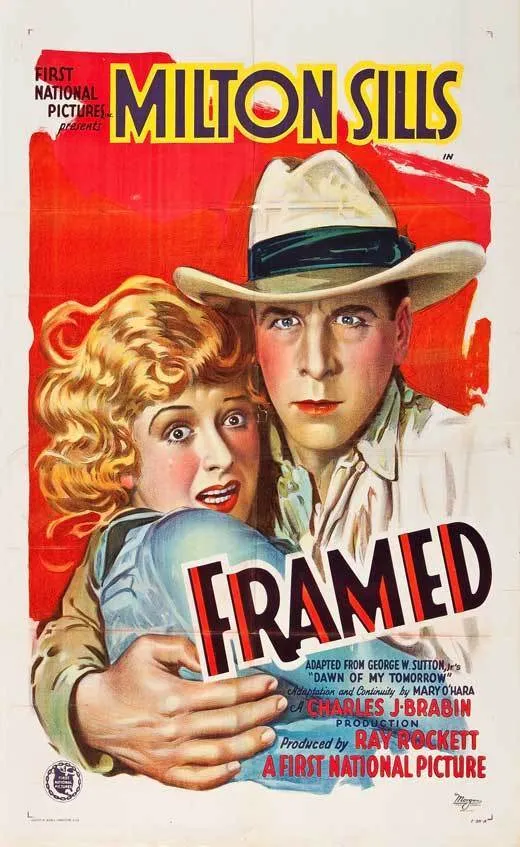
Opening Acts, Better Posters: The Case for Collecting the Bands You Saw First
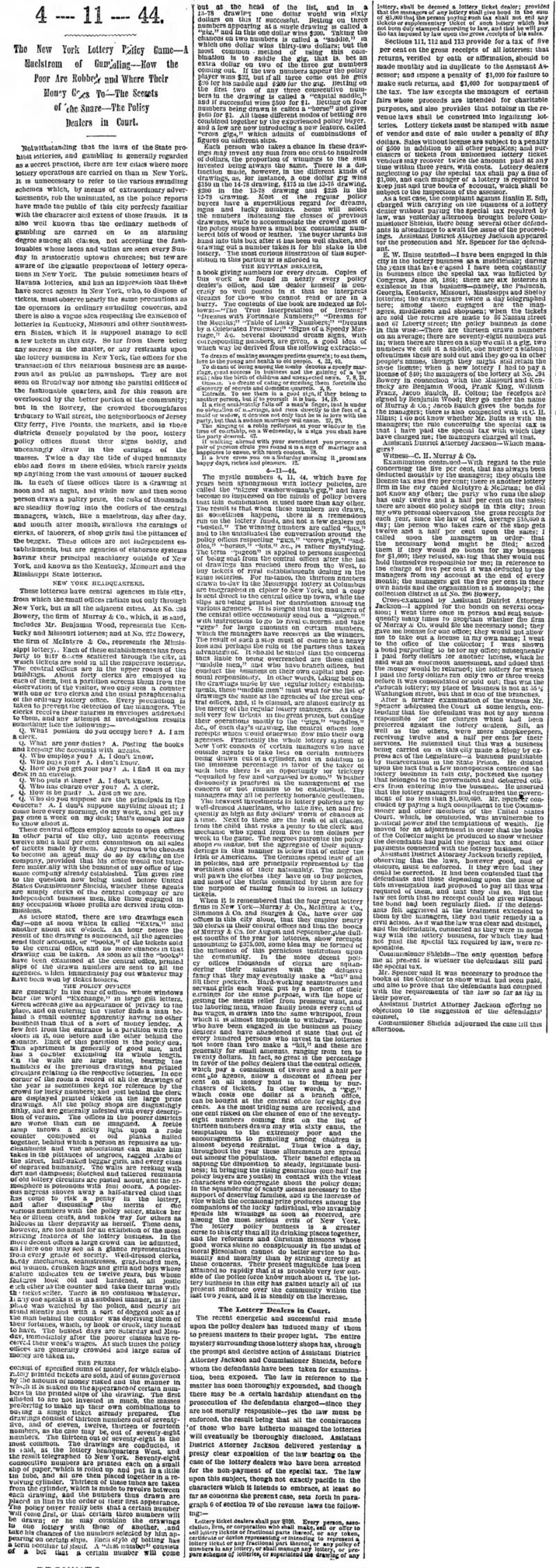
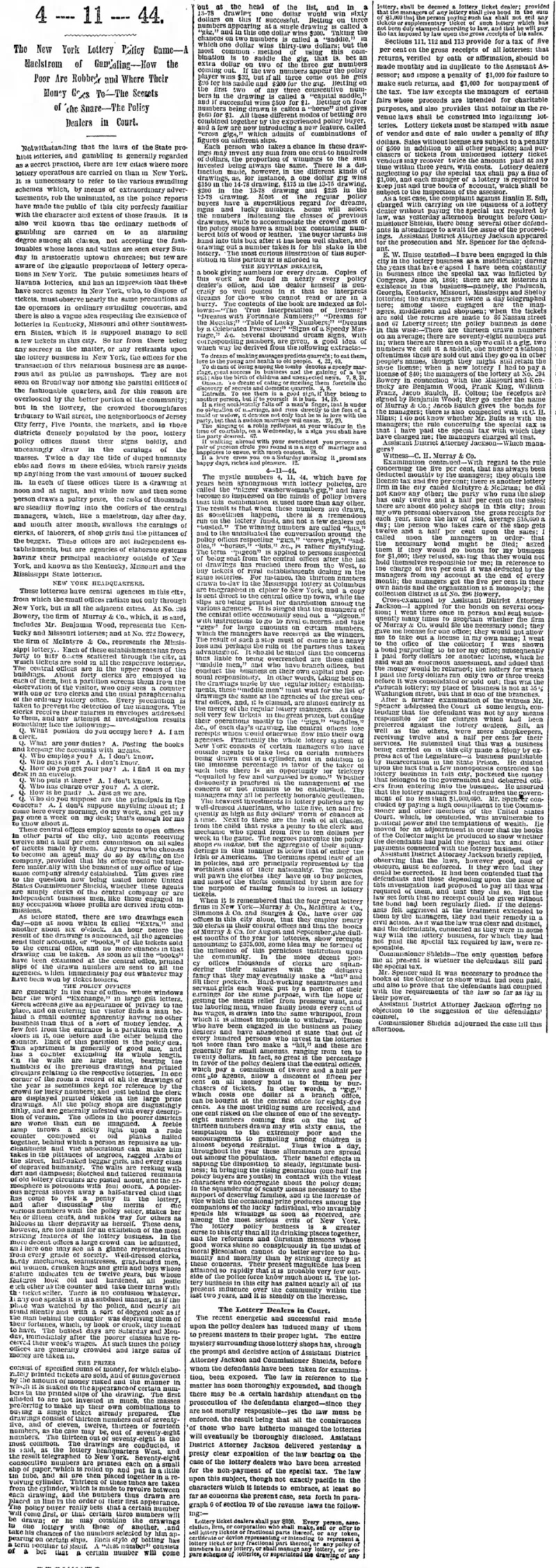
Photo: AnonymousUnknown author, Public domain, via Wikimedia Commons
Somewhere in a box under a bed in Leeds there's a screenprint for a band who played twenty-five minutes to about forty people, and it is better design than the £45 licensed reprint of a 1979 gig that's been in every framed-print sale for a decade.
We're not against headliners. We're against the idea that the only poster worth owning is the one with the biggest name on it. In 2026, the most interesting music art in the UK is happening two feet to the left of the merch desk, at the support act's end of the table, for £12.
The headliner poster has a supply problem
Walk into any homeware shop and you'll find the same twelve artists. The same album covers, blown up, digitally printed, sometimes with a fake vintage texture slapped on top. There's nothing wrong with them exactly — they're just not really posters. They're album art in a frame, and they don't say much about you beyond which playlist you default to.
Actual gig posters — the screenprinted, hand-lettered, made-for-one-night kind — have meanwhile become a collector's market. Original prints for established acts now go for silly money, and the reprints are, well, reprints.
Which leaves the support slot. And the support slot is where the good stuff is.
The merch desk is the gallery
The economics are lovely. The band needs to sell something. The run is small — often thirty to a hundred. The artist is usually a friend, a local illustrator, or the drummer. Nobody is art-directing it through four rounds of brand approval, which means it can be weird: hand-drawn, two colours on coloured stock, made in a week because the tour starts on Thursday.
It's also numbered. Ask the person at the desk and they'll usually tell you the run size, sometimes the printer, sometimes who drew it. That's a completely different object from a print that exists in unlimited quantity and ships from a warehouse.
And the price: £10–20 is normal. £25 for something special is still less than a round of drinks in most of the venues we're talking about.
What makes a support poster actually good
Not everything at the merch desk is a gem. Six things to look for.
Type hierarchy. You should be able to read the band name from two metres. If the name is buried in a decorative swirl, the design is about the designer, not the gig.
Custom lettering. Hand-drawn type, cut-paper letters, or a font bent out of shape beats a default sans every time.
Restraint in the palette. Two inks and one stock, done well, looks better than six colours done cheaply. Riso prints and two-colour screenprints consistently punch above their price.
Date and venue as part of the design. If the date looks like it was typed on afterwards by a laptop, it probably was.
The illustration is doing something. A skull, a mushroom, a hand holding a flower — fine, but you've seen them. Look for a design that references the band, the city, the room, or the fact that it was a support slot at all.
Paper you can feel. 250–300gsm, matte, with a bit of tooth. Digital prints on thin gloss curl and shine. Screenprints sit flat.
One more: artist credit. Posters that name the illustrator are increasingly common, and it turns a souvenir into a piece of collected work.
Where to find them
Venue merch desks first, obviously — and ask for a spare, because posters get torn down and the flat ones behind the desk are the ones that survive. Smaller rooms are the best hunting ground: the Brudenell in Leeds, the Windmill in Brixton, YES in Manchester, Broadcast in Glasgow, the Louisiana in Bristol, Le Pub in Newport, the Cumberland Arms in Newcastle. Places where the support act is treated as a real act and the walls are already covered in history.
Independent shops next: record shops with a print rack, illustration and comic shops, gallery shops that sell a bit of everything. City print studios often sell members' work. Leeds has Colours May Vary doing exactly this sort of thing, and most big cities have an equivalent if you look past the gift shop fridge magnets.
Then the print fair circuit, which has grown noticeably in 2026. Illustration fairs, independent print fairs and studio open days are where you'll find the people who actually make these posters, often selling the same designs as open-edition prints. Go early if you want the good one; go late if you want to haggle.
Hang the story, not the hierarchy
The best version of this wall isn't a tribute to your favourite band. It's a record of where you've been.
Two ways in. Chronologically: one poster per year or per season, left to right, so the wall is basically a diary. Or by venue: a cluster of prints all from the same room, which looks oddly coherent because they share the venue's taste and often the same designer.
Mix in the ephemera. Ticket stubs, a setlist, the wristband nobody took off for three days. Pair one headliner print — your anchor — with five or six supports around it, and the headliner stops being the point and starts being the frame.
Practical bits, because posters aren't precious
Store flat, not tubed. A month in a tube is a month of curl you'll never fully iron out.
Keep them out of direct sun. Cheap inks fade and screenprints can shift; a south-facing wall is a slow-motion shredder.
Sizing: A2 and A3 again, because frames in those sizes are £10–20 and framing is generally the most expensive part of the whole exercise. Buy one decent frame with a mount and rotate the print inside it every few months. Cheap way to make a wall feel new without buying anything.
And if the print is £12 and the frame is £30, that's not a mistake. That's just how it works. The print will probably outlast the frame anyway, and nobody's counting cost per square centimetre.
The point
We're not saying bin your Blondie reprint. We're saying the wall that says something about you is the one with a 150-capacity room printed on it, the one signed in biro, the one made by somebody who did it for petrol money and a plus-one. Go early. Buy at the desk. Ask the illustrator's name.